V Beam Laser for Post Acne Erythema
V Beam Laser for Post Acne Erythema
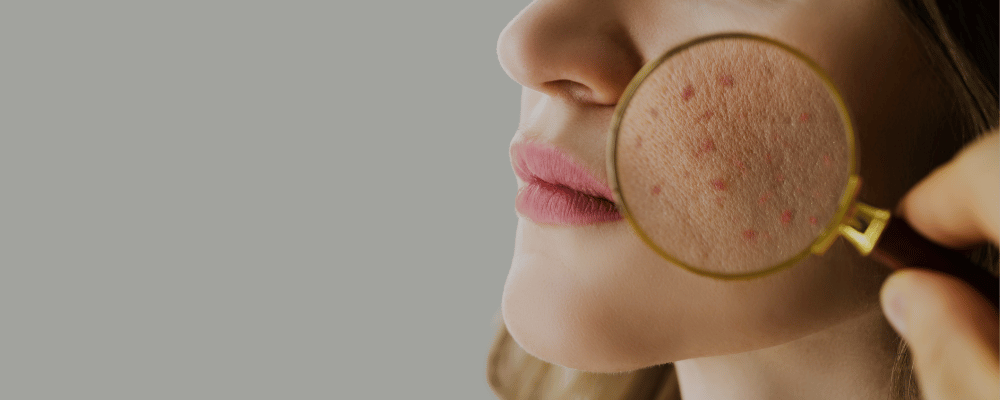
Vbeam Laser is a pulsed dye laser widely used in dermatology clinics to treat post-acne erythema (PIE), which appears as persistent red marks after acne has healed. In Korean clinics, it is considered one of the most effective treatments for calming vascular redness and improving overall skin tone after inflammation.
How V Beam Works on Post-Acne Redness
V Beam targets hemoglobin inside dilated blood vessels that cause red acne marks.
It works by:
- Delivering selective pulsed dye laser energy
- Absorbing energy through red blood vessels (hemoglobin)
- Collapsing abnormal or dilated capillaries
- Reducing visible redness from healed acne lesions
- Calming residual inflammation in the skin
This makes it highly specific for vascular redness rather than pigmentation or scarring.
What Types of Redness It Treats
V Beam is most effective for vascular-based acne marks.
Best suited for:
- Post-inflammatory erythema (red acne marks)
- Persistent redness after acne healing
- Facial flushing related to inflammation
- Small visible capillaries
- Sensitive or reactive skin redness
It is not designed for brown pigmentation or deep acne scars.
Expected Results
Results from V Beam are typically gradual but noticeable after a few sessions.
Common improvements include:
- Reduction in redness after 1–3 treatments
- More even skin tone
- Calmer and less inflamed appearance
- Fading of lingering acne marks
- Improved overall skin clarity
Multiple sessions are usually required for optimal results.
Treatment Experience and Sensation
V Beam is generally well tolerated but slightly more noticeable than gentle laser toning.
Patients often describe:
- Quick snapping or rubber-band sensation
- Mild heat during treatment
- Short session duration
- No need for deep anesthesia in most cases
Energy levels are adjusted based on redness severity and skin sensitivity.
Downtime and Recovery
One advantage of V Beam is relatively short downtime.
Typical recovery includes:
- Mild redness for a few hours to 1–2 days
- Temporary swelling in treated areas
- Rare purpura (small purple spots) in higher settings
- No significant peeling or surface damage
Most patients can resume daily activities quickly.
How Many Sessions Are Needed
V Beam is usually performed as a series treatment.
Common protocols include:
- 2–5 sessions depending on severity
- Sessions spaced 2–4 weeks apart
- Gradual improvement after each session
- Maintenance sessions for chronic redness
Severe or long-standing erythema may require longer treatment plans.
Combination Treatments in Korea
In Korean dermatology clinics, V Beam is often combined with other acne and skin treatments for better overall results.
Common combinations include:
- Pico laser for pigmentation
- RF microneedling for scars and texture
- Chemical peels for surface renewal
- Skin boosters like Rejuran or exosomes
- LED therapy for inflammation control
This combination approach improves both redness and overall skin quality.
Limitations of V Beam
While highly effective for redness, V Beam has some limitations.
These include:
- No effect on acne scars or texture
- Limited impact on brown pigmentation
- Requires multiple sessions for best results
- Temporary bruising risk at higher settings
It is best used as part of a targeted redness treatment plan.
Final thoughts
V Beam laser is one of the most effective treatments for post-acne erythema, directly targeting vascular redness and helping restore a more even skin tone. While it does not treat scars or pigmentation, it plays a key role in calming inflammation-related redness and is often combined with other dermatology treatments in Korea for comprehensive post-acne skin recovery.