Forehead Acne Treatment Guide
Forehead Acne Treatment Guide
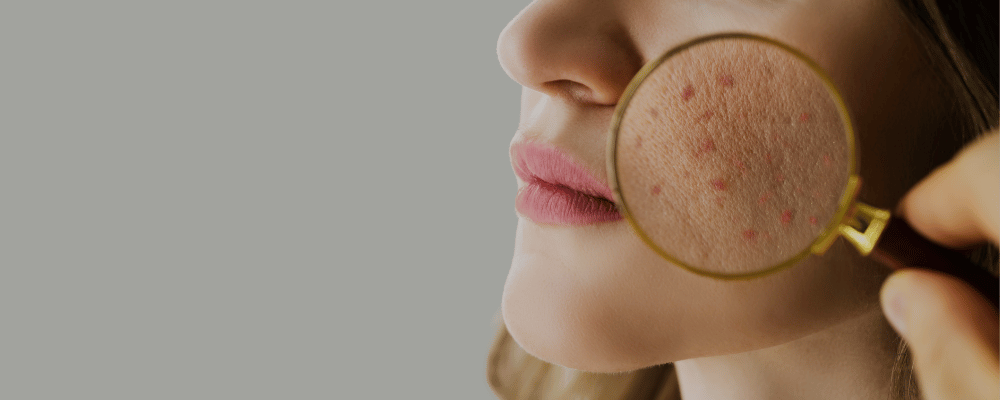
Forehead acne is one of the most common forms of acne and can affect both teenagers and adults. It may appear as small bumps, whiteheads, blackheads, or inflamed pimples, and is often influenced by excess oil production, clogged pores, hair products, and lifestyle factors. The best treatment depends on the underlying cause and the severity of the breakouts.
What Causes Forehead Acne?
Forehead acne can develop for a variety of reasons, including:
- Excess sebum production
- Clogged pores
- Sweat buildup
- Hair products that come into contact with the skin
- Wearing hats or helmets for long periods
- Hormonal changes
- Genetics
Identifying potential triggers can help create a more effective treatment plan.
Different Types of Forehead Acne
Not all forehead breakouts look the same or require the same treatment.
Common types include:
- Whiteheads
- Blackheads
- Small inflammatory papules
- Pustules
- Nodules
- Tiny, uniform bumps that may have causes other than typical acne
Persistent or unusual-looking breakouts should be evaluated by a dermatologist.
Medical Treatment Options
For ongoing or moderate to severe acne, prescription treatments may be recommended.
Possible options include:
- Topical retinoids
- Benzoyl peroxide
- Topical antibiotics
- Azelaic acid
- Oral antibiotics
- Oral isotretinoin for selected severe cases
Treatment plans should be individualized based on skin condition and medical history.
Professional Dermatology Procedures
Clinic-based treatments may help improve active acne and reduce congestion.
Common procedures include:
- Professional acne extraction
- Chemical peels
- LED therapy
- Light-based treatments
- Laser procedures
- Targeted injections for large inflammatory lesions
These are often combined with medical therapy rather than used alone.
Hair Care and Daily Habits
Hair and scalp products can sometimes contribute to forehead breakouts.
Helpful habits include:
- Keeping hair clean
- Avoiding heavy styling products on the forehead
- Washing after excessive sweating
- Cleaning hats and headbands regularly
- Keeping long bangs away from the skin when possible
Small lifestyle changes may reduce repeated irritation.
Choosing the Right Skincare Routine
A simple routine can help support acne treatment.
Basic recommendations:
- Gentle cleanser
- Lightweight, non-comedogenic moisturizer
- Daily sunscreen
- Prescription treatments as directed
- Avoiding excessive exfoliation
Introducing too many new products at once may increase irritation.
When to Seek Professional Care
Consider seeing a dermatologist if:
- Acne becomes painful or cystic
- Over-the-counter products are ineffective
- Breakouts continue for several months
- Scars or dark marks begin to develop
- Acne significantly affects daily life or confidence
Early treatment may reduce the risk of permanent scarring.
Final thoughts
Forehead acne can result from a combination of excess oil, clogged pores, hair products, hormones, and everyday habits. A personalized treatment plan that combines appropriate medical care with consistent skincare and trigger management offers the best chance for long-term improvement and healthier-looking skin.