Jawline Acne: Causes and Treatment
Jawline Acne: Causes and Treatment
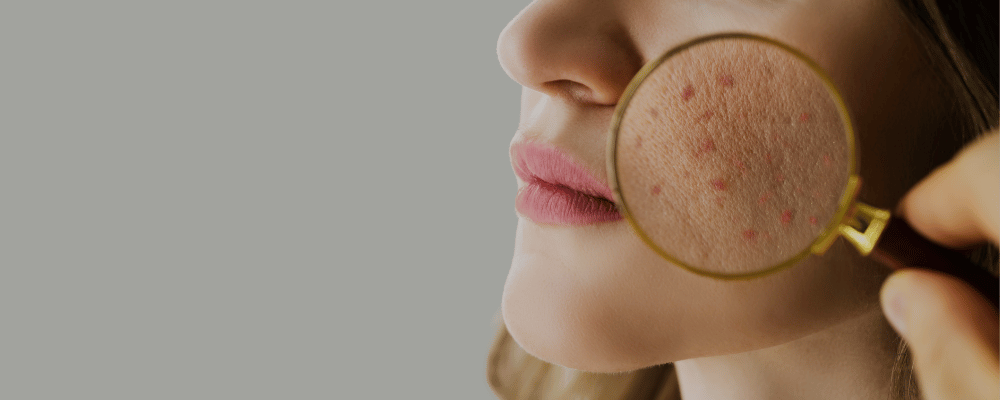
Jawline acne is a common concern among teenagers and adults, but it is especially frequent in adults with recurring breakouts. While hormonal fluctuations are a well-known factor, they are not the only cause. Effective treatment depends on identifying the underlying triggers and creating a personalized plan that addresses both active acne and future prevention.
What Causes Jawline Acne?
Several factors can contribute to acne along the jawline and lower face.
Common causes include:
- Hormonal fluctuations
- Increased oil production
- Genetics
- Chronic inflammation
- Stress
- Pore blockage
- Certain skincare or cosmetic products
In many cases, more than one factor is involved.
Signs That Hormones May Be Involved
Although not every jawline breakout is hormonal, certain patterns may suggest a hormonal component.
These include:
- Deep, painful cysts
- Breakouts concentrated around the chin and jaw
- Recurring flare-ups every month
- Persistent acne into adulthood
- Lesions that heal slowly
A medical evaluation may be helpful if these symptoms occur regularly.
Professional Treatment Options
Treatment is tailored to the severity and underlying cause of the acne.
Depending on the individual case, options may include:
- Prescription topical medications
- Oral medications
- Hormonal therapies for appropriate patients
- Chemical peels
- Professional acne extraction
- Laser or light-based treatments
The goal is to reduce inflammation while preventing future breakouts.
Treating Deep Cystic Jawline Acne
Large, painful lesions often require more than over-the-counter products.
Management may include:
- Prescription anti-inflammatory medications
- Oral therapies
- Intralesional injections for selected cysts
- Careful monitoring by a dermatologist
- Long-term maintenance strategies
Early treatment may reduce the risk of permanent scarring.
Skincare Habits That Can Help
Daily skincare plays an important supporting role in acne management.
Helpful practices include:
- Gentle cleansing
- Using non-comedogenic products
- Applying sunscreen every day
- Keeping the skin moisturized
- Removing makeup thoroughly
- Avoiding excessive exfoliation
Consistency is often more beneficial than using numerous products.
Common Mistakes That Can Make Jawline Acne Worse
Some everyday habits may contribute to irritation or prolonged breakouts.
Examples include:
- Picking or squeezing pimples
- Using harsh scrubs
- Frequently touching the face
- Overusing active ingredients
- Skipping prescribed medications
- Constantly changing skincare products
A stable routine often supports better long-term results.
Preventing Acne Marks and Scars
Inflammatory jawline acne can leave pigmentation or permanent scars if not managed appropriately.
To reduce this risk:
- Treat acne early
- Control inflammation promptly
- Avoid manipulating lesions
- Follow professional treatment recommendations
- Continue maintenance care after improvement
Preventive care is an important part of successful acne management.
Final thoughts
Jawline acne can have multiple causes, with hormonal influences being only one possible factor. Because each person's skin is different, the most effective treatment is usually a personalized combination of medical therapy, professional care when needed, and a consistent daily skincare routine. Early intervention can help minimize both active breakouts and long-term scarring.