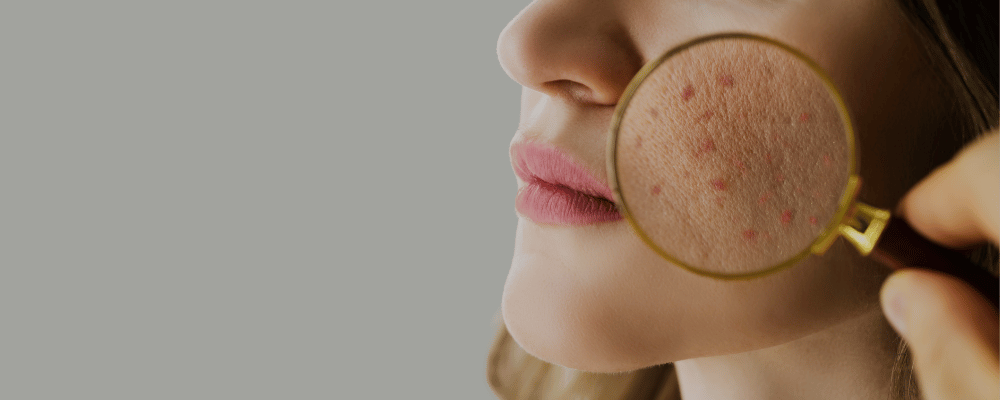
How to Treat Brown Acne Pigmentation
How to Treat Brown Acne Pigmentation
Brown acne pigmentation, also known as post-inflammatory hyperpigmentation (PIH), is a common concern after acne heals. Unlike acne scars, these marks are changes in skin color rather than changes in skin texture. While they often fade naturally over time, proper skincare and professional treatments can help speed up the process and create a more even-looking complexion.
Why Brown Acne Marks Appear
After inflammation from acne, the skin may produce excess melanin during the healing process, leaving behind brown or dark patches.
Common factors include:
- Inflammatory acne
- Picking or squeezing pimples
- Delayed treatment
- Sun exposure
- Individual skin tone and genetics
People with medium to darker skin tones may be more prone to post-inflammatory hyperpigmentation.
Daily Skincare for Hyperpigmentation
A consistent skincare routine can help support gradual fading.
Basic recommendations include:
- Gentle cleanser
- Non-comedogenic moisturizer
- Daily broad-spectrum sunscreen
- Consistent use of prescribed topical products
- Avoiding harsh scrubs and excessive exfoliation
Sun protection is one of the most important steps in preventing marks from becoming darker.
Topical Ingredients That May Help
Several ingredients are commonly used to improve uneven pigmentation.
Examples include:
- Azelaic acid
- Retinoids
- Vitamin C
- Niacinamide
- Tranexamic acid
- Prescription pigment-lightening medications when appropriate
Results usually develop gradually over weeks or months rather than overnight.
Professional Treatment Options
For stubborn pigmentation, dermatology clinics may recommend in-office procedures.
Depending on the patient's skin type and condition, treatments may include:
- Chemical peels
- Laser toning
- Pico laser treatments
- IPL for selected cases
- Combination pigmentation therapies
Treatment selection should be individualized to minimize the risk of irritation or worsening pigmentation.
Mistakes That Can Make Pigmentation Worse
Certain habits may prolong healing or increase discoloration.
Common examples include:
- Picking at acne lesions
- Skipping sunscreen
- Overusing irritating skincare products
- Excessive exfoliation
- Trying multiple strong active ingredients at once
Protecting the skin barrier is an important part of successful treatment.
How Long Does It Take to Fade?
Recovery time varies depending on the severity of the pigmentation and individual skin characteristics.
In general:
- Mild marks may improve within several weeks
- Deeper pigmentation may take several months
- Ongoing acne can delay improvement
- Consistent treatment and sun protection support better results
Patience is often necessary, as pigment fades gradually.
How to Prevent Future Brown Marks
Preventing new pigmentation is often easier than treating existing marks.
Helpful strategies include:
- Treating acne early
- Avoiding squeezing or picking pimples
- Using sunscreen every day
- Following prescribed acne treatments consistently
- Reducing unnecessary skin irritation
Good acne control can significantly reduce the risk of future discoloration.
Final thoughts
Brown acne pigmentation is a common after-effect of inflammation and differs from true acne scars because it affects skin color rather than texture. With consistent skincare, diligent sun protection, and appropriate professional treatments when needed, most patients can achieve gradual improvement and a more even skin tone over time.