How to Treat Red Acne Marks Fast
How to Treat Red Acne Marks Fast
Red acne marks, often left behind after inflammatory breakouts, can linger for weeks or even months after the acne itself has healed. While there is no instant cure, the right combination of skincare, sun protection, and professional treatments can help reduce redness more quickly and support the skin's natural healing process.
What Causes Red Acne Marks?
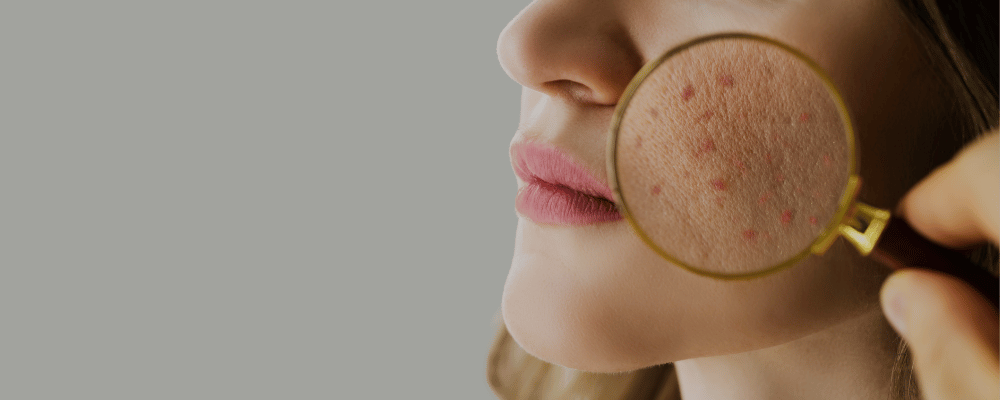
Red acne marks are typically the result of inflammation and damaged superficial blood vessels rather than permanent scarring.
They often:
- Appear pink or red after pimples heal
- Have a flat surface without indentation
- Become more noticeable on fair skin
- Fade gradually over time
- Improve more slowly if the skin is repeatedly irritated
Proper diagnosis is important because redness and true acne scars require different treatments.
Daily Skincare That Can Help
A gentle skincare routine can support recovery and minimize additional irritation.
Helpful habits include:
- Using a mild cleanser
- Applying a non-comedogenic moisturizer
- Wearing sunscreen every day
- Avoiding harsh exfoliation
- Following prescribed topical treatments
- Keeping the routine consistent
Protecting the skin barrier is an important part of the healing process.
Topical Ingredients for Redness
Certain ingredients may help improve the appearance of post-acne redness over time.
Commonly recommended options include:
- Azelaic acid
- Niacinamide
- Retinoids
- Vitamin C
- Prescription anti-inflammatory products
Results are usually gradual rather than immediate.
Professional Treatments for Faster Improvement
For persistent redness, dermatology clinics may recommend in-office procedures.
Depending on the skin condition, options may include:
- Vascular laser treatments
- IPL (Intense Pulsed Light)
- LED therapy
- Gentle chemical peels
- Combination laser treatments
The most appropriate choice depends on skin type and the underlying cause of the redness.
Habits That Can Slow Healing
Certain behaviors may prolong redness or make it more noticeable.
These include:
- Picking at healing acne
- Excessive scrubbing
- Skipping sunscreen
- Using too many active ingredients
- Frequently changing skincare products
- Continuing to irritate inflamed skin
Giving the skin time to recover is often just as important as active treatment.
How Long Does It Take to Fade?
The healing timeline varies from person to person.
In general:
- Mild redness may fade within weeks
- More noticeable marks can last several months
- Persistent inflammation may delay recovery
- Consistent treatment often leads to gradual improvement
- Individual skin type and severity influence the timeline
Patience and regular care are key to achieving the best results.
When to See a Dermatologist
Professional evaluation may be helpful if:
- Red marks are not improving over time
- New breakouts continue to appear
- There are signs of permanent scarring
- Redness is widespread or severe
- Over-the-counter products have not been effective
A dermatologist can distinguish between post-inflammatory redness, pigmentation, and true scarring.
Final thoughts
Treating red acne marks quickly requires a combination of gentle skincare, sun protection, and patience. While topical products can gradually improve discoloration, persistent redness may respond more effectively to professional treatments such as vascular lasers or IPL. Identifying the cause of the redness and avoiding unnecessary skin irritation can help achieve faster and more consistent improvement.